
A ghostwritten autobiography is one where the subject does the remembering and a professional writer does the writing. Many famous autobiographies are made this way. Sometimes the writer is named on the cover, with “with” or “as told to”. Sometimes only inside the book, and sometimes nowhere at all, by agreement.
As an Amazon Associate I earn from qualifying purchases. The books on this page were chosen first; the links were added afterwards.
Below are seven well-known autobiographies, six of them Indian, sorted by where the co-writer’s name appears. Then how these books get made, in the co-writers’ own words.
Who really writes famous autobiographies?
The subject supplies the life, the voice and the final say, and in many famous books a co-writer does the drafting. The credit tells you how the work was shared, and a famous autobiography can be credited in five ways:
- On the cover, as “with” or “as told to”.
- On the title page or in the publisher’s listing, with the subject’s name alone on the front.
- In the acknowledgements, as thanks.
- Nowhere. The writer was paid, and the book is the subject’s.
- The subject’s name alone because the subject wrote it, with an editor’s help.
From the outside, 4 and 5 look the same. So a cover with one name on it proves nothing either way.
What do “with” and “as told to” mean on a cover?
“With” or “as told to” on a cover means the subject told the story and the named writer turned it into a book. I set out the definitions in autobiography vs memoir vs biography; on real books it looks like this.
Wings of Fire (Universities Press, 1999) reads “A P J Abdul Kalam with Arun Tiwari” on the cover and the title page. Tiwari had worked under Kalam for over a decade at the Defence Research and Development Laboratory in Hyderabad, as the book itself says.
Khullam Khulla: Rishi Kapoor Uncensored (HarperCollins India, 2017) carries “with Meena Iyer” on the front, and HarperCollins lists both names as authors.
Verghese Kurien’s I Too Had a Dream (Roli Books, 2005) is credited “as told to Gouri Salvi”, a journalist. It is on my list of the best biographies of Indian business founders.
The credit can also sit inside. Dilip Kumar: The Substance and the Shadow (Hay House India, 2014) has the actor alone on the front. Inside, it is credited “as narrated to Udayatara Nayar” (The Tribune).
Free printable: Before the handover
39 questions to record with a founder, in eight sessions, so the next generation inherits why the rules exist. Leave your email and download it straight away.
Do sportspeople write their own autobiographies?
Three of the best-known did: Sachin Tendulkar, Milkha Singh and Andre Agassi. Each book credits its co-writer in a different place.
Playing It My Way (Hodder & Stoughton, first published 2014) has Tendulkar’s name on the front of the paperback. The catalogue record reads “Sachin Tendulkar; with Boria Majumdar”.
At the Mumbai launch on 5 November 2014, Majumdar, the co-author, named two challenges. Tendulkar’s life was already a public book, so what was left to say? And the second, in his words, was “to actually get his voice in a manner that he wants” (Sportskeeda).
The Race of My Life (Rupa, 2013) is listed by its publisher as “Milkha Singh with Sonia Sanwalka”. Sanwalka is his daughter (Deccan Herald). The current Rupa cover carries his name alone.
Open (2009) has only Andre Agassi’s name on the cover. In the acknowledgements, Agassi thanks his friend J.R. Moehringer and says the book would not exist without him (The Millions). Moehringer later wrote that the cover was offered: “Andre had asked me to put my name on the cover, and I’d declined” (The New Yorker, 2023).
When does a ghostwritten autobiography name no writer?
A ghostwritten autobiography names no writer when the subject and the writer agree that the book is the subject’s alone, and they put that in the contract. How that agreement works is on my page about hiring a confidential ghostwriter.
So when a famous autobiography names no writer, you cannot tell from the outside whether the subject wrote it alone or worked with a ghost. Both are honest. Guessing in public is unfair to the subject and to the writer, and I won’t do it here. Moehringer once reminded himself that “ghosts don’t speak”, then wrote an essay asking whether they should.
From the desk
As I wrote on my answers page, ghostwriting means the name is yours. “Some clients credit the writer in the acknowledgements, many do not, and both are normal.” The same page says it in one line: your story, your voice, your name; the writer is the hands. Where a co-writer is named on a famous book, that was the subject’s choice too.
How does a co-written autobiography get made?
A co-written autobiography is made from long conversations with the subject, interviews with the people around them, a draft in the subject’s voice, and rounds of the subject’s own corrections. The co-writers above have described each step.
The conversations come first. In his preface to Wings of Fire, Arun Tiwari describes a long series of sittings with Kalam, late at night and before dawn, fitted around Kalam’s 18-hour days. He adds that the book holds only a few of the many incidents Kalam narrated to him.
Then the people around the subject. Tiwari’s acknowledgements thank six people by name for sharing their time and knowledge with him. Writing about a later book, Moehringer calls the author’s inner circle “a vital phase in every ghosting job”: someone always knows the author’s life better than the author does, and the ghost’s task is to find that person fast.
Then the draft, and the subject’s red pen. Moehringer writes that Agassi made countless fixes, he made fixes to the fixes, and they went on until they had a draft that satisfied both. He calls the voice of Open a hybrid, “though it’s all Andre”.
Writers differ on method. Moehringer calls recording the author a “terrible idea”, because it makes many authors feel as if they’re being deposed. I record and transcribe every session, because, as I wrote on will it sound like me?, you talk one way and type another. On a full book, my order of work is:
- An NDA, signed before any document is shared.
- 30 to 60 hours of interviews with you, plus family, partners and colleagues as needed, recorded and transcribed.
- A chapter plan you approve before any prose is written.
- A manuscript of 60,000 to 90,000 words, all of it written by me.
- Three named revision rounds with dates: outline, first full draft, final.
- Copyright assigned to you on final payment. Whether my name appears anywhere is your call.
Famous co-written autobiographies at a glance
| Book | Subject | Co-writer | How credited | Source |
|---|---|---|---|---|
| Wings of Fire (1999) | A.P.J. Abdul Kalam | Arun Tiwari | “with”, on the cover and title page | Wikipedia) |
| I Too Had a Dream (2005) | Verghese Kurien | Gouri Salvi | “as told to” | Free Press Journal |
| Khullam Khulla (2017) | Rishi Kapoor | Meena Iyer | “with”, on the cover | HarperCollins India |
| Playing It My Way (2014) | Sachin Tendulkar | Boria Majumdar | “with”, in the catalogue record; co-author at the launch | Open Library |
| The Race of My Life (2013) | Milkha Singh | Sonia Sanwalka, his daughter | “with”, in the publisher’s listing | Rupa |
| The Substance and the Shadow (2014) | Dilip Kumar | Udayatara Nayar | “as narrated to”, inside | The Tribune |
| Open (2009) | Andre Agassi | J.R. Moehringer | Thanked in the acknowledgements; declined the cover | The New Yorker |
The books in this post
These are the seven autobiographies above, in the editions you can buy in India today.
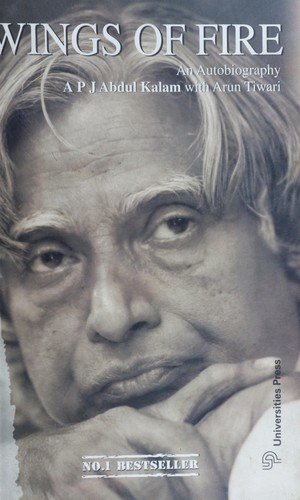
Wings of Fire: An Autobiography · A.P.J. Abdul Kalam with Arun Tiwari
Buy on Amazon.in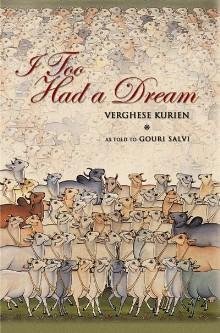
I Too Had a Dream · Verghese Kurien, as told to Gouri Salvi
Buy on Amazon.in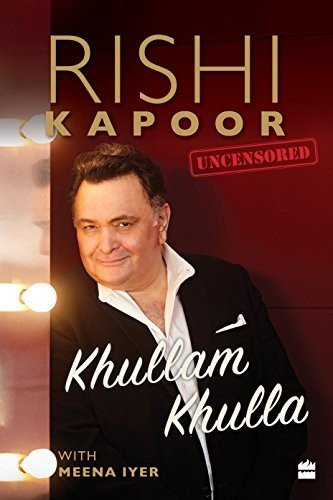
Khullam Khulla: Rishi Kapoor Uncensored · Rishi Kapoor with Meena Iyer
Buy on Amazon.in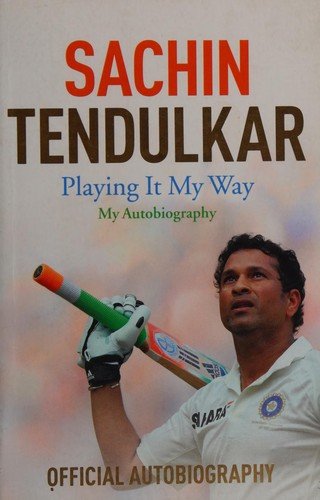
Playing It My Way: My Autobiography · Sachin Tendulkar with Boria Majumdar
Buy on Amazon.in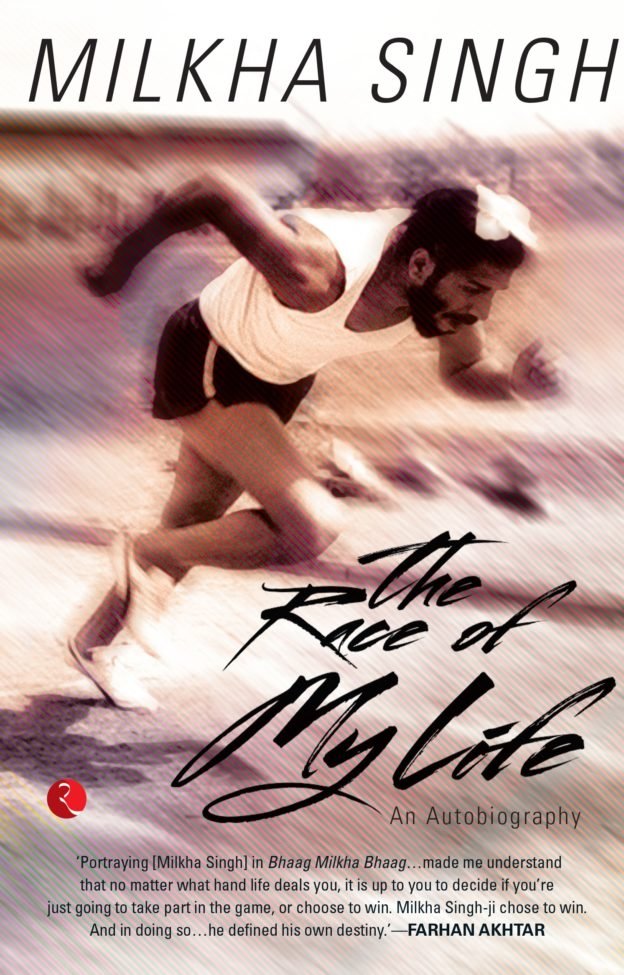
The Race of My Life: An Autobiography · Milkha Singh with Sonia Sanwalka
Buy on Amazon.in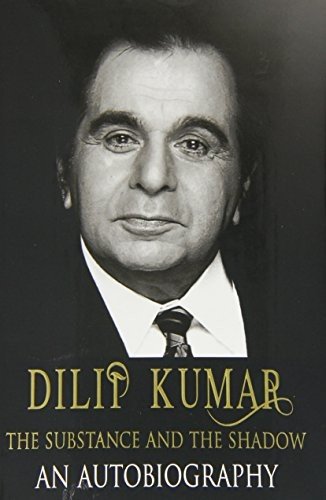
Dilip Kumar: The Substance and the Shadow · Dilip Kumar, as narrated to Udayatara Nayar
Buy on Amazon.in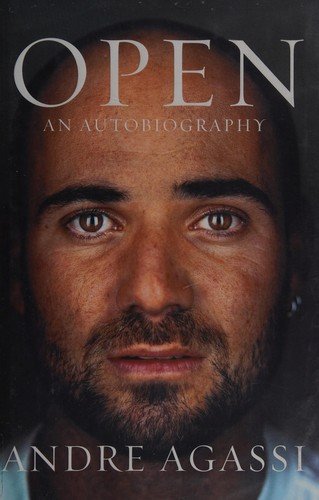
Open: An Autobiography · Andre Agassi
Buy on Amazon.inWhat this means for your own autobiography
If you want your own autobiography written, the famous books show the model: you talk, a writer writes, you correct every page, and you decide whose name goes where. Nobody needs to be famous for it to work.
The fear almost everyone has is that the book will not sound like them. Will it sound like me? explains how a voice gets caught, and how to test it on one page before you commit. If parts of the story are private, confidentiality sets out what to insist on. For how long the book should run, see how long should an autobiography be.
The full book starts at ₹10 lakh and typically goes up to ₹20 lakh, over six months, and I take one book at a time.
Questions people ask
Do ghostwriters get credit on autobiographies?
Only if the subject chooses. Kalam credited Arun Tiwari on the cover. Agassi offered Moehringer the cover; Moehringer declined and is thanked in the acknowledgements instead. Many ghostwriters are credited nowhere, and that is normal too.
Who owns a ghostwritten autobiography?
The subject does. In my contracts, copyright is assigned to the client on final payment, and the writer keeps no rights in the book.
How can I tell who co-wrote an autobiography?
Check the cover, then the title page, then the acknowledgements. Tendulkar’s co-writer is in the catalogue record, Dilip Kumar’s inside the book, Agassi’s in the thanks. If none of the three names a writer, don’t assume either way.
Do all celebrities use ghostwriters?
No. Some write their own books, some work with a credited co-writer, and some with an uncredited one. The only reliable evidence is what the book, the publisher or the writer has said on the record.
How I write a life story with you sets out what you supply, what it costs and how to begin.
Leave a Reply